Strait of Hormuz - How the 2026 Blockade is Dismantling the Global Economy.
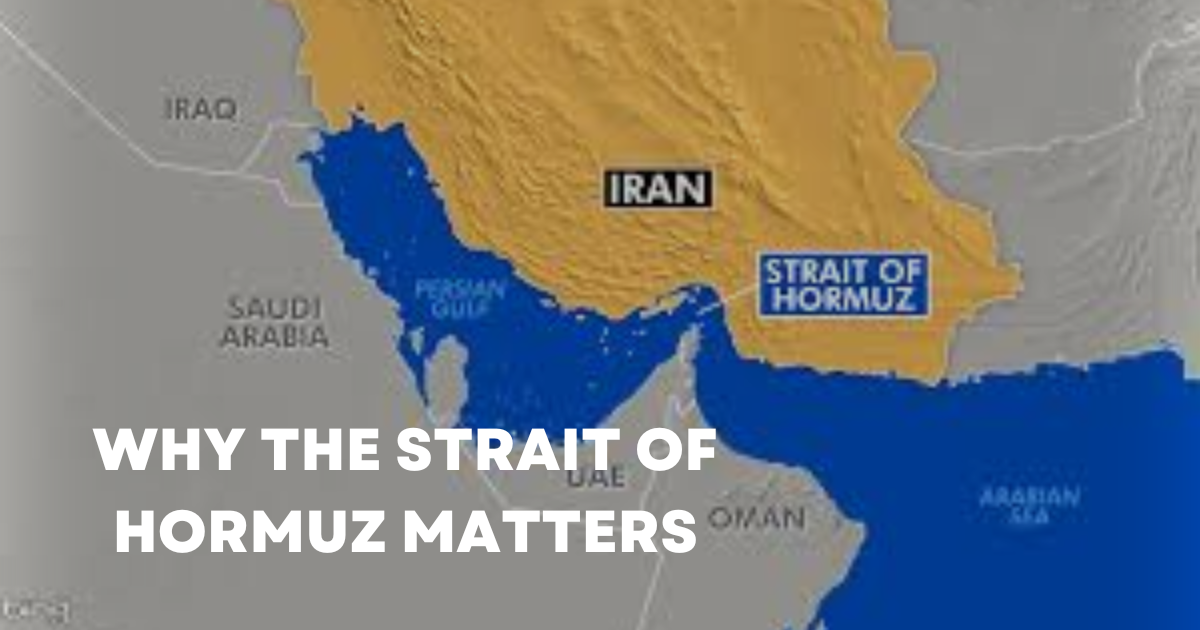
The geopolitical landscape of the Middle East has entered a terrifying new phase. Following coordinated U.S.-Israeli military strikes on February 28, 2026, which resulted in the death of Iran’s supreme leader and widespread infrastructure damage, Tehran has retaliated with the ultimate economic weapon: a de facto closure of the Strait of Hormuz.
As Iranian IRGC forces threaten any vessel entering the narrow waterway, energy markets have shifted into a "war regime". With over 20% of the world's daily oil consumption—approximately 17 to 20 million barrels—passing through this 33-km wide bottleneck, the consequences are catastrophic.
1. The Immediate Energy Shock and Oil Prices
The mere threat of a permanent blockade caused an immediate "risk premium" spike.
- Brent Crude Surge: Prices jumped 10–13% following the initial strikes, breaking past $70 and rapidly approaching the $80–$90/barrel range.
- The "$100 Scenario": Analysts at Kpler and Bloomberg warn that a sustained blockade could easily push prices toward $130 per barrel, with extreme scenarios exceeding all modern records.
- Insurance-Driven Shutdown: Insurers have pulled war-risk coverage, making commercial transit financially impossible. Tanker traffic has dropped to near zero as vessels anchor outside the Persian Gulf to avoid the "kinetic" zone.
- Alternative Route Failure: While Saudi Arabia and the UAE possess pipelines to bypass the strait, these only offer a capacity of 2.6–6.5 million barrels/day, leaving an unbridgeable daily deficit of nearly 15 million barrels.
2. Impact on Middle Eastern Economies
The very nations surrounding the Gulf are facing severe economic strangulation as their primary export artery is severed.
- Iran: While aiming to cripple the West, Iran’s own oil exports (~1.7 million barrels/day) are choked, pushing an already strained economy into total lockdown.
- Regional Producers: Saudi Arabia, Iraq, and Kuwait are seeing their main revenue streams cut off. Iraq has already begun shutting down production in major fields like Rumaila due to a critical lack of storage space.
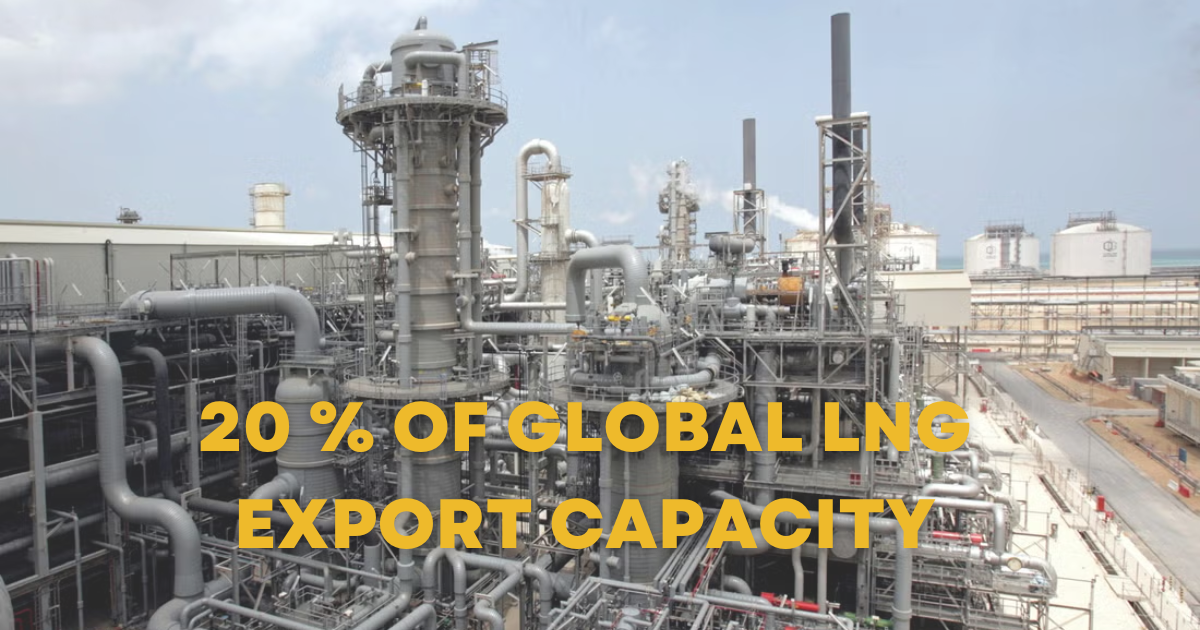
- The Qatar Gas Crisis: As a premier exporter of LNG, a shutdown halts 20% of global seaborne LNG, causing international gas prices to spike by up to 50%.
3. Asia: The Epicenter of the Crisis
Asia bears the brunt of this blockade, as 80% to 90% of the oil transiting the strait is destined for Asian markets.
- China: As the world's largest importer, 50% of China's oil supply is at risk. Higher energy costs threaten to freeze manufacturing sectors, disrupting global supply chains for electronics and plastics.
- India: With 50% of its crude originating from the Middle East, India faces immediate fuel inflation and systemic economic instability.
- Japan & South Korea: Highly reliant on the Gulf, these nations are facing urgent shortages; South Korea currently holds strategic reserves for only about 200 days.

4. United States and Global Financial Ripple Effects
While the U.S. is a major producer, it is not immune to the global "War Paradox".
- Gasoline Spikes: American gas prices are projected to jump to $5–$7 a gallon, creating significant public backlash during an election year.
- Inflationary Recession: A sustained high-price environment forces central banks to halt interest rate cuts, likely triggering a global recessionary spiral.
- Stock Market Tumble: Global equity markets have already shed trillions in value as uncertainty replaces the pre-war "anticipation" phase.
Strategic Takeaway: Navigating the Attrition
The 2026 crisis is fundamentally different from previous standoffs. With Iran acting out of existential defense, this blockade is unlikely to lift without significant military intervention. Until the U.S. Navy can successfully escort tankers through the dangerous 2-mile-wide shipping lanes, the world faces its gravest energy crisis in decades.
Monitor the crisis and manage your exposure in real-time:
Hedge Oil Price Spikes:
 Predicta Markets Team
Trade Gold Safe-Haven Rallies:
 Predicta Markets Team
Secure Your Nasdaq Position:
 Predicta Markets Team